Affordable El Cajon Top Landscaping Solutions Near You
Enhance Your Outdoor Environment: Professional Landscaping Advice for a Beautiful Residential Garden
Turning an exterior area into a stunning home garden requires thoughtful strategy and deliberate action. By assessing the characteristics of a yard, homeowners can establish specific landscaping goals. Selecting vegetation that suit the regional conditions is vital. Furthermore, integrating functional landscape features enhances both visual appeal and practical function. Yet, the undertaking won't finish there. Learning how to sustain beauty and sustainability can take any garden to greater heights. Which methods ensure long-term success?
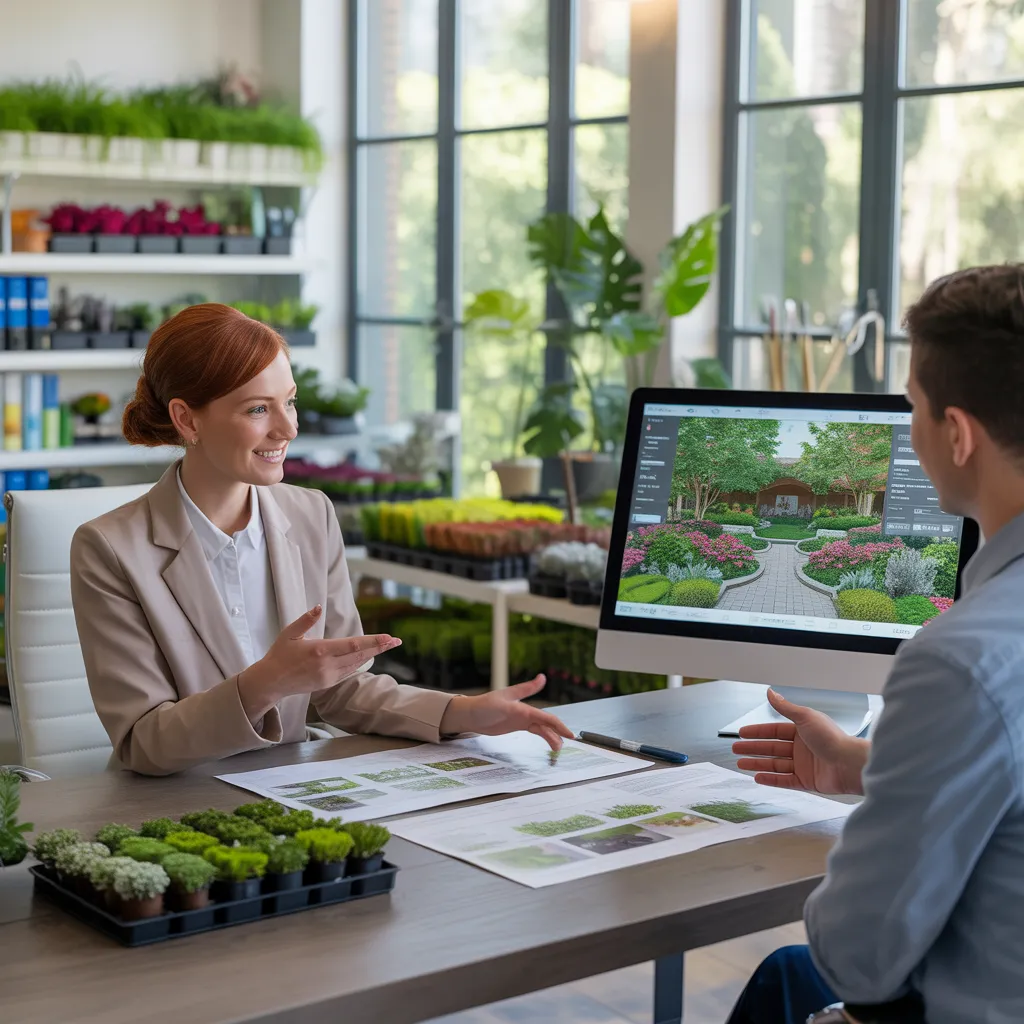
Examine Your Property to Determine Your Landscaping Objectives
Before launching any garden project, it is important for property owners to carefully evaluate their exterior space. This initial evaluation enables them to understand the unique characteristics of their property, such as sun exposure, soil composition, and current plant life. Pinpointing these factors aids in deciding what types of design elements can be successfully added into the location.
Homeowners should take measurements and note any obstacles including vegetation, fences, or pathways that could affect the layout. Moreover, recognizing personal preferences and lifestyle needs—such as entertainment spaces, growing plants, or relaxation—can direct the landscaping goals. By specifically establishing these goals, homeowners establish a solid foundation for a cohesive and functional exterior space. This careful evaluation ultimately leads to a more successful and satisfying garden renovation, guaranteeing the outdoor space not only enhances the property's appearance but additionally satisfies the practical needs of its inhabitants.
Pick the Ideal Plants for Your Area's Weather
Determining the right plants for a specific climate is critical for establishing a thriving outdoor space. Understanding regional climate conditions, such as heat levels, rainfall, and moisture levels, helps property owners select plants that will flourish. Native plants often adapt best, requiring less upkeep and irrigation. For instance, water-efficient plants are ideal for arid regions, while moisture-loving species flourish in moisture-rich environments.
Gardeners should further take into account climate variations; choosing vegetation that offers continuous visual appeal enhances the garden. Spring-flowering plants, warm-season vegetation, and vibrant fall foliage can create a striking visual display. Furthermore, speaking with local gardening centers or extension services can provide valuable insights into hardy plant varieties suited to specific conditions.
In the long run, a well-planned vegetation arrangement enhances not only beauty but additionally supports native fauna and supports ecological health, which makes it a smart decision for any outdoor space transformation.
Improve Your Garden Using Practical Landscape Features
Functional hardscaping elements act as vital components in defining outdoor spaces and enhancing their usability. By incorporating seating areas and well-designed pathways, homeowners can create welcoming outdoor settings that encourage comfort and mobility. Additionally, borders can help delineate different zones within the garden, adding structure and visual interest.
Define Your Outdoor Space
Creating a thoughtfully laid out outdoor space can transform a garden into a welcoming retreat. One proven approach to achieve this is through functional hardscaping elements, which create organization and layout. Pathways made from stone or masonry guide visitors while creating visual appeal. Retaining structures can form layered heights, enhancing the garden's overall design and preventing soil loss. Fencing or trellises can delineate borders, ensuring seclusion and a sense of enclosure. Adding elevated planting areas not only establishes growing zones but also improves accessibility. These elements operate in harmony to establish separate areas that improve both visual appeal and practicality. Ultimately, a well-defined outdoor space creates a peaceful setting where homeowners can unwind and appreciate the outdoors.
Incorporate Sitting Areas
Incorporating sitting zones into an outdoor space greatly improves its functionality and visual interest. By integrating functional hardscaping elements, homeowners can establish welcoming areas for relaxation, socializing, or enjoying nature. Options include benches, patio sets, or hammocks, each contributing to the garden's aesthetic and convenience. Carefully positioning chairs near prominent areas like plantings or decorative pools, motivates visitors to participate with their outdoor environment. Additionally, selecting materials such as natural wood or stone can enhance the landscape's appearance, ensuring a cohesive look. Shade structures, such as covered structures or shades, ensure relaxation during warmer months, making these areas usable year-round. Ultimately, carefully planned sitting zones reimagine a basic yard into a welcoming retreat for family and friends.
Establish Pathways And Edges
Walkways and borders serve as vital aspects in garden development, moving guests around the garden while boosting its design quality. These generate circulation and order, helping distinguish distinct areas and botanical selections. Stone, brick, or gravel selections can construct sturdy passages, and borders made with plants or decorative fencing enhance beauty. Exploration is facilitated by passages, which focus attention on elements like flower beds or water features. Properly maintained borders stop weed encroachment and ground deterioration, promoting garden wellness. Adding pathways and borders enhances functionality and improves stylistic charm in your landscape, rendering environments more appealing and enjoyable.
Build Movement Using Walkways and Sitting Zones
A carefully organized outdoor environment frequently presents a natural flow produced through strategically positioned walkways and seating spaces. Walkways navigate visitors within the garden, forming a distinct sense of progression while boosting the complete aesthetic quality. Incorporating choices like stone, wood, or gravel can enhance the walkway's charm and guarantee longevity.
Rest zones offer resting spots, encouraging visitors to stop and enjoy the environment. Placing seating deliberately near highlights, like a water feature or a planted area, promotes engagement with the outdoor setting. Your seating selection—chairs, benches, or even swings—will affect the mood, whether formal or relaxed.
Adding walkways and rest areas develops a welcoming setting, boosting functionality and pleasure. Combined, they establish a smooth transition among various zones of the garden, encouraging discovery and calm, eventually turning any exterior area into a peaceful sanctuary.
Infuse Your Garden With Seasonal Color and Texture
To strengthen the visual attractiveness of a landscape, deliberate curation of seasonal plantings is essential. Blending diverse textural characteristics can introduce layers and fascination, meanwhile deliberately arranged focal areas can command views and forge a balanced plan. Each feature together ensure a vibrant and dynamic garden environment during the entire year.
Select Seasonal Plants with Care
Selecting seasonal plants carefully can transform any garden into a dynamic display of colors and textures. By choosing plants that flower during different seasons, gardeners can guarantee a continuous display of beauty. Spring-flowering bulbs, summer annuals, fall-blooming perennials, and winter evergreens each contribute unique hues and forms to the landscape. It is essential to consider local climate conditions and soil types, as well as the plants' growth habits. Indigenous plants often grow more successfully with minimal upkeep, enhancing biodiversity. Additionally, mixing plants of different sizes and flowering periods can produce an engaging visual display. Ultimately, thoughtful selection fosters a landscape that transforms throughout the year, offering a delightful experience year-round.
Develop Layered Textures For Visual Depth
Creating dimensional depth entails layering textures that complement and enhance seasonal color. By using multiple plant types with varied leaf structures, dimensions, and color ranges, one can craft a compelling landscape. For instance, pairing oversized-leaved plants with fine grasses can create contrast and intrigue. Additionally, embedding natural bark, rocks, and organic matter introduces tactile elements that enrich the overall experience. Blooming plants should be thoughtfully placed to provide bursts of color throughout the year, ensuring that each layer remains visually interesting. This intentional layout not only draws the eye across the garden but also fosters an immersive atmosphere where every detail contributes to the garden's beauty and harmony.
Establish Design Elements Deliberately
Carefully adding key visual elements can markedly enhance a garden's aesthetic appeal and seasonal vibrancy. These focal points serve as anchors that draw the eye and create a cohesive design. Gardeners can use items like statuary, decorative trees, or colorful gardens to establish visual interest. Seasonal color can be infused through the careful selection of plants that bloom at different times, ensuring that the garden remains dynamic throughout the year. Textures also play a significant role; combining smooth stone paths with rough bark or lush foliage creates dimension. By carefully arranging these features, a gardener can establish a welcoming environment that promotes discovery and enjoyment, converting a yard into a captivating sanctuary.
Embrace Eco-Friendly Practices to Build a Healthy Garden
Adopting eco-friendly approaches is necessary for cultivating a flourishing garden that flourishes in balance with the environment. Horticulturists are recommended to employ native plants, which require minimal liquid and upkeep while supporting community animals. Implementing sustainable horticultural practices, including composting and organic pest management, can substantially cut pesticide application, fostering a stronger ecosystem.
Moisture-saving strategies, such as targeted watering systems and rainwater harvesting, optimize sustainability by enhancing resource management. Applying mulch not just maintains water while also reduces weed growth, minimizing the demand for chemical weed control. Also, supporting ecological diversity by incorporating varied vegetation fosters resistance against harmful organisms along with infections.
Soil condition is critical; practices such as crop rotation and cover cropping keep nutrient balance without chemical fertilizers. By implementing these eco-friendly practices, gardeners can establish a thriving environment that promotes both plants and environmental health, resulting in an enhanced horticultural experience.
Manage Common Challenges for All-Season Garden Aesthetics
A well-maintained planted area can experience numerous difficulties across seasons, affecting its combined beauty along with vigor. Common issues involve pest infestations, lacking minerals, plus water shortage. Identifying pests in advance is vital; growing enthusiasts should consistently check vegetation for visible harm along with handle pest issues using organic pesticides or introducing natural predators.
Nutrient shortages often manifest as yellow foliage and reduced growth. Running soil assessments can help determine specific requirements, making possible for targeted fertilization Insufficient nutrients commonly show as discolored leaves or slow growth. Performing soil assessments can help pin down specific necessities, allowing focused fertilization returning equilibrium. Also, maintaining proper irrigation is vital; overwatering can cause root damage, while under-irrigation stresses plants.
Seasonal shifts furthermore necessitate changes in maintenance. Over winter, mulch application safeguards root systems from freezing temperatures, on the other hand summer months can demand additional water and shaded areas to protect delicate plants. Through addressing these common issues promptly
Should I Execute Outdoor Work Independently or Hire a Specialist?
You can definitely undertake landscaping projects on your own, utilizing internet information and imagination. Yet, employing a specialist delivers knowledge, speed, and enhanced results, particularly for complex designs or larger projects that need professional expertise.
What Tools Are Important for Home Garden Work?
Essential equipment for yard landscaping include a garden rake, garden shovel, shovel, pruning scissors, garden cultivator, and a watering hose or water can. These items support successfully handling soil, vegetation, and comprehensive garden care, ensuring quality landscaping.
How Can I Properly Preserve My Yard Across the Year?
If you want find guide to preserve a garden area across the seasons, frequently cutting back greenery is important, using wood mulch for temperature control is important, watching hydration levels is vital, and using seasonal planting strategies is beneficial. Furthermore, insect control and nutrient application are necessary for vibrant, healthy growth.